Inside Australia’s world-first social media ban
I joined the BBC to talk about Australia’s world first social media ban for under 16s.
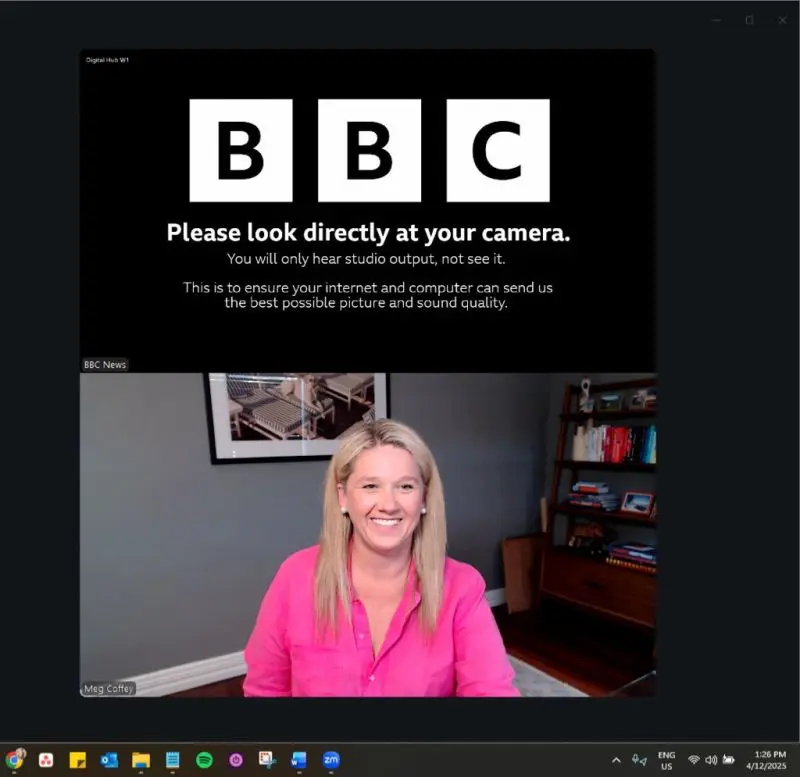
Getting in for breakfast in Europe, I joined Tadhg Enright live on the BBC to talk through one of the biggest digital safety stories of the year. Australia is rolling out a world-first ban on social media for anyone under 16, starting 10 December, and the world is watching to see how it unfolds.
It is bold. It is ambitious. It is also moving by the hour. Platforms are scrambling to explain how they will verify ages, how they will handle existing underage accounts, and what appeal processes will look like for anyone who is incorrectly locked out. The rules come with serious penalties of up to AUD$49.5 million for companies that fail to take what the government calls reasonable steps, so the pressure is intense.
How will it work
Each platform is responsible for building its own age assurance system. The government has insisted that asking for ID cannot be the only method. Meta has refused to outline its exact approach. Snapchat will rely on behavioural signals along with stated birth dates. TikTok is preparing a multi-layer age assurance system and will share more before launch. Google will use the age linked to a user’s account and other signals. Some platforms, like Reddit and X, have not yet detailed their plans.
What happens to existing under-16 accounts
Most platforms will not delete accounts outright. They will either be placed in a frozen or inactive state, or the user will be given the option to download their content before the account is locked. Facebook and Instagram will allow teens to archive everything and hold their accounts for when they turn 16. TikTok and Snapchat have similar approaches. YouTube will also allow teens to regain access once they hit the age threshold.
What if someone is wrongly banned
The government has been clear that an appeals process must be in place. Meta will use Yoti’s facial assurance tool or a government-issued ID. Snapchat will allow bank card checks, government ID or a selfie-based facial age estimate. TikTok has promised a simple appeals pathway but has not yet released the details. Several platforms are still finalising what this will look like.
Which platforms are included and which are exempt
The ban covers Facebook, Instagram, TikTok, Snapchat, X, YouTube, Reddit, Twitch, Kick and Threads. It is a dynamic list, so more platforms can be added if young people start shifting to other services. Roblox, Pinterest, YouTube Kids, Google Classroom, Discord, WhatsApp, LinkedIn, Bluesky and several others are currently exempt.
Will it work
That was the big question. I explained that 10 December will not be perfect. Even the eSafety Commissioner has said people should not expect every underage account to disappear overnight. Some platforms will move faster than others, and some systems will take time to propagate. Enforcement will be risk-based at the start and will focus on platforms with high percentages of underage users.
The challenge is enormous but the intention is clear. Protect children from harm, limit access to dangerous content and raise the bar on digital safety. The real test will be whether the tech behind age assurance is robust enough and whether the industry can adapt without unintentionally locking out legitimate users.
If you would like expert commentary or analysis on digital policy, platform changes or the future of social media, click here to get in touch.